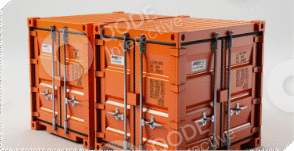
Crisis Management in Logistics: Handling Port Delays & Emergencies
Crisis Management in Logistics: Handling Port Delays & Emergencies
Every shipment tells a story but sometimes, the story doesn’t go as planned.
A sudden port strike, an unexpected customs hold, or a cyclone disrupting sea routes can turn even the most well-planned shipment into a crisis overnight.
In logistics, these disruptions are inevitable. What defines a reliable partner is not the absence of crises but the ability to manage them with calm, clarity, and control.
The Reality: Disruptions Are Inevitable
Global trade has never been more dynamic. Port congestion, regulatory shifts, weather disturbances, and documentation errors are part of the ecosystem.
According to a report, nearly 38% of global cargo shipments experience delays due to port-related inefficiencies or unforeseen events.
The key lies in preparedness. A strong crisis management framework ensures that even when the system is under stress, cargo movement continues safely and transparently.
How We Approach Crisis Management at Parikh Forwarders
- Proactive Monitoring and Risk Forecasting We continuously track vessel schedules, weather forecasts, and port congestion reports. This helps us predict potential disruptions early and reroute or reschedule shipments before delays turn costly. Our on-ground team also monitors customs clearance bottlenecks in real-time to ensure immediate escalation when required.
2. Strong Multi-Port and Multi-Mode Connectivity A single point of failure can derail an entire shipment. That’s why we maintain active networks across 12+ major Indian ports and build flexibility into our freight routing, combining sea and road movement when necessary. This adaptability ensures continuity even when one route faces operational hurdles.
3. Real-Time Escalation and Client Communication During a crisis, silence is the worst strategy. We prioritize live client updates and rapid response communication, ensuring businesses always know where their cargo stands and what’s being done to resolve issues. This transparent flow of information reduces anxiety and helps clients make informed decisions quickly.
4. Documentation & Compliance Backup Systems Even minor documentation discrepancies can magnify during emergencies. Our documentation team maintains cloud-based backups of all essential papers from the bill of lading to SCOMET and DGFT approvals, enabling quick re-verification if any file is lost, delayed, or questioned by authorities.
Lessons from the Field: When Precision Saved the Day
The Road Ahead: Prepared, Not Panicked
Last monsoon, heavy flooding in Gujarat disrupted port operations for nearly 72 hours. While many consignments remained stalled, our team swiftly rerouted time-sensitive cargo via Nhava Sheva Port, using intermodal connectivity to maintain delivery timelines.
This wasn’t luck; it was the outcome of foresight, coordination, and our team’s ability to make fast, compliant, and effective decisions under pressure.
In logistics, crises will always exist. What matters is response time, transparency, and trust. By combining technology-driven alerts with human intelligence, we continue to refine our ability to handle unexpected challenges without compromising safety or compliance.
At Parikh Forwarders, we don’t promise a world without disruptions; we promise a system that’s ready for them.
Import Drivers:
- Crude oil & petroleum products
- Gold demand
- Electronic consumer goods
- Industrial capital goods
What This Means for Businesses
Exporters: Focus on high-demand categories like energy products, engineering goods, and agri-exports to leverage global demand.
Importers: Use market intelligence to negotiate better deals, diversify sourcing, and reduce dependency on volatile commodities.
Manufacturers: Tap into technology transfers from trade to modernise production and reduce costs.
📌 Takeaway:
India’s trade is evolving fast, the winners will be those who act on data, adapt to global shifts, and align with high-growth sectors. Whether you’re exporting to new markets or sourcing materials, 2025 offers both challenges and untapped opportunities. To know more about the same, connect with us for more insights.